Salad Burnet
Salad Burnet health benefits and uses
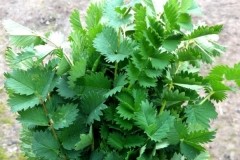
It is used as an ingredient in both salads and dressings, having a flavour described as “light cucumber” and is considered interchangeable with mint leaves in some recipes, depending on the intended effect. Typically, the youngest leaves are used, as they tend to become bitter as they age. Salad burnet has the same medicinal qualities as medicinal burnet (Sanguisorba officinalis). It was used as a tea to relieve diarrhoea in the past. It also has a respectable history, called a favourite herb by Francis Bacon, and was brought to the New World with the first English colonists, even getting special mention by Thomas Jefferson.
Listed below are few of the popular health benefits of Salad burnet
1. Helps in treating Impotency
Salad Burnet has been known to boost the sex life of people and is normally utilized for the purpose of treating erectile dysfunction in men. Roots of this plant is dried and then crushed to obtain a powder which is utilized for this function.
2. Improve Digestive Health
Leaves of this herb are known to be helpful in treating issues related to gastro-intestinal tract and are utilized as a treatment for issue such as diarrhoea.
3. Can treat Burns
Powder derived from the roots of this herb and then mixed with sesame oil has been known to be effective in treatment against burns and cuts.
4. Improves Oral Health
Utilizing the powder of the Salad Burnet you can make a mouthwash which helps in treatment against issues such as swollen and bleeding gums.
5. Treatment of Skin Problems
Salad burnet leaves can be infused and used as a calming treatment for skin-related problems such as eczema, rashes and sunburn.
6. Control of Excessive Bleeding
The term Sanguisorba minor is derived from a Latin word known as “Sanguisorba”, which means blood absorber. This suggests why this plant is a quick remedy for stopping bleeding. Interestingly, salad burnet can also be infused as herbal tea and taken to stop excessive bleeding and to prevent haemorrhage.
7. Anti-Inflammatory Properties
The herb has been known to possess anti-inflammatory qualities and therefore is an effective cure against issues such as gout and rheumatism.
8. Control of Cholesterol Level
Salad burnet consists of saponins, tannins and other things, which are supposed to be helpful in reducing the cholesterol level.
9. Treatment of Rheumatism
Salad burnet can be used for manufacturing medications that treat rheumatism.
10. Treatment of Plagues
Due to the astringent properties of garden burnet, it can be used as a remedy for plague.
Traditional uses and benefits of Salad Burnet
- Both root and the leaves are astringent, diaphoretic and styptic, though the root is most active.
- Plant is an effective wound herb, rapidly staunching any bleeding.
- An infusion is used in the treatment of gout and rheumatism.
- Leaves can be used fresh, or are harvested in July and dried (the plant should be prevented from flowering).
- An infusion of the leaves is used as a soothing treatment for sunburn or skin troubles such as eczema.
- Small burnet is used as a folk medicine in Europe and the Middle East as an astringent to stop bleeding and to treat gout and rheumatism.
- It may have anti-HIV activity, caused lowered blood sugar and provided protection against ulcers in mice, and may have fungicidal activity.
- In Europe, more so than North America, small burnet leaves are used as a cucumber-flavouring in iced drinks, salads, and other foods.
- Tea made out of the leaves of salad burnet will relieve diarrhoea.
- In both Chinese and Western herbal medicine a decoction of the root has been used internally for heavy menstrual bleeding, blood in stool and urine, bleeding haemorrhoids and uterine bleeding.
- It has been utilized in the treatment of a variety of digestive disorders, such as diarrhoea, dysentery, enteritis, ulcerative colitis, irritable bowel syndrome and irritable colon.
- Mouthwash can be made from the herb and used as an herbal treatment for gum inflammation and swollen tonsils.
- Salad Burnet has been used externally as a folk remedy for nose bleed, wounds, burns, eczema, rash, boils and haemorrhoids.
- To treat burns, the powdered root can be blended with sesame oil and then applied to the affected areas.
- It is helpful with problems related to the urinary system and is a mild diuretic.
- It can also be helpful treating symptoms of impotency and erectile dysfunction.
- Making a mouthwash out of the powder / paste can help with swollen or bleeding gums.
Culinary uses
- Young leaves and shoots are consumed raw or cooked.
- They are best used before the plant comes into flower.
- Eaten in salads, used as a garnish or added to soups, cooling drinks and claret cups.
- Young seedlings are boiled and eaten.
- In the acid soil of our Cornish trial grounds, the leaves have a distinctly bitter flavour, though when the same plants were grown on a chalky soil they had a much milder flavour.
- Herb tea is made from the dried leaves.
- In Spain the fresh leaves are added to cold drinks and used as a flavouring like mint or borage.
- Dried leaves are also used to make medicinal tea, although fresh leaves are preferred for culinary uses; as the flavour of burnet leaves deteriorates over time, making them bitter.
- Burnet leaves are used to flavour cream cheese and also added to tomato sauce, like basil or oregano.
- Salad burnet is used in various salads and dressing and has the taste of ‘light cucumber’.
- It is added in soups, salads, cooling drinks and claret cups.
- Substitute salad burnet for basil in recipes for a unique taste.